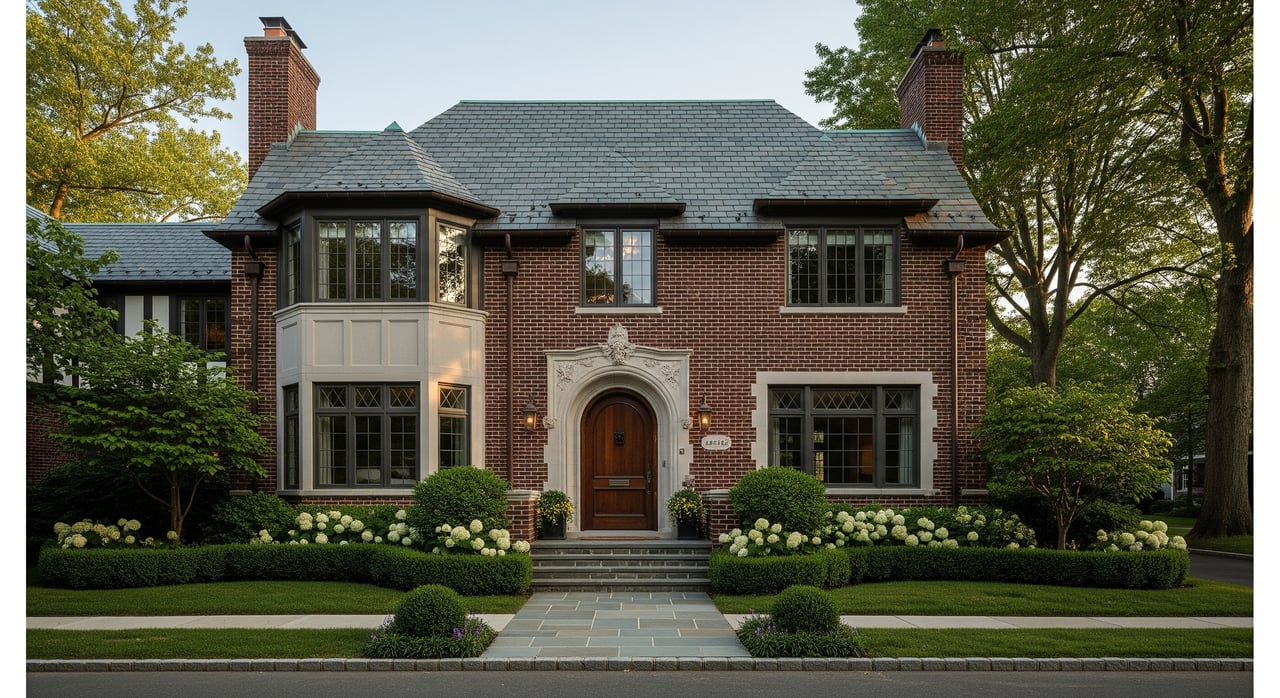
Stretched by today’s rates but still aiming for a winning deal in Glen Rock? You are not alone. Between seven‑figure prices and new seller‑side fees in New Jersey, every credit, point, and clause can change your bottom line. In this guide, you will learn how seller concessions and rate buydowns work, the program limits that apply, and how to use them to protect your net in Glen Rock. Let’s dive in.
Glen Rock context you need
Glen Rock sits in a high‑price corner of Bergen County, where competition often stays firm and many homes sell above $1 million. County trends show prices edging up, which keeps negotiations tight for both sides. Greater Bergen REALTORS report continued price strength, so small deal tweaks can matter.
New Jersey also added a Graduated Percent Fee on transfers above $1,000,000, effective July 10, 2025, paid by the seller. Brackets currently run 1.0% for sales over $1M up to $2M, up to 3.5% for higher tiers. Review details on the NJ Division of Taxation page. This fee is in addition to the existing Realty Transfer Fee, so it should be on your net sheet.
Two tools: concessions vs buydowns
Seller concessions, in plain English
A seller concession is a credit from the seller that covers eligible buyer costs like closing fees and prepaids. Lenders call these Interested Party Contributions, and they are capped by program rules. If credits exceed limits, the excess is treated as a sales concession and can affect loan‑to‑value calculations. See Fannie Mae’s guidance on Interested Party Contributions.
Rate buydowns, two flavors
- Permanent buydown with discount points. Points are prepaid interest that permanently lower the note rate. If the seller pays points, the IRS generally treats them as if you paid them for potential deductibility, subject to IRS rules. Learn more in IRS Topic No. 504.
- Temporary buydown, like a 2‑1 or 3‑2‑1. Funds are deposited at closing and used to reduce your monthly payment for a set period. You still must qualify at the full note rate. See the mechanics in Fannie Mae’s temporary buydown guidance.
Program limits that cap credits
Conventional loan caps
Conventional loans follow tiered caps tied to down payment and LTV:
- LTV over 90%: max 3%
- LTV 75.01% to 90%: max 6%
- LTV 75% or less: max 9%
These limits apply to financing concessions and must be disclosed. Review Fannie Mae’s IPC guide.
FHA, VA, and other programs
- FHA: generally allows up to 6% toward eligible costs. See FHA references in HUD materials.
- VA: certain seller concessions are limited to 4% of the reasonable value, with other items handled separately. See the VA’s closing cost overview.
Program rules update over time, so confirm your exact loan product with your lender.
When each tactic works in Glen Rock
- Use a temporary buydown when you want early payment relief, but you already qualify at the note rate. It can help a listing hold price while easing your first‑year cash flow. See a consumer explainer on timing and uses in this NerdWallet overview.
- Use a seller concession when you need help covering closing costs and the program limits allow it. It is simple to apply as a credit on your Closing Disclosure.
- In multiple‑offer moments, sellers sometimes favor a small incentive over a visible price cut. In slower weeks, a price reduction may pull more buyers to the table. Your strategy should track active comps and days on market.
Quick math: price cut vs buydown credit
Here is a simplified example to show how New Jersey’s new fee and credits can change the seller’s net. This is for illustration only. Always confirm exact fees and loan costs with your attorney, title, and lender.
Offer A: $1,175,000 sale price, no seller credit.
- Estimated Graduated Percent Fee at 1% bracket: $11,750
- Estimated seller net before other costs: $1,163,250
Offer B: $1,200,000 sale price, $20,000 seller credit for a temporary buydown or closing costs.
- Estimated Graduated Percent Fee at 1% bracket: $12,000
- Estimated seller net before other costs: $1,168,000
In this scenario, Offer B nets about $4,750 more while giving the buyer real payment relief. Run your own numbers with your title team and use the NJ REALTOR fee calculator for a quick check.
Underwriting, appraisal, and disclosure basics
- Qualification at note rate. Temporary buydowns do not reduce the qualifying payment. Lenders must underwrite at the full note rate. See Fannie Mae’s temporary buydown rules.
- Appraisal and IPC caps. Concessions must be disclosed. If credits exceed caps, the excess is treated as a sales concession, which can affect the effective sales price used for LTV and comparables. See Fannie Mae’s IPC guidance.
- Servicing of buydown funds. Lenders typically hold temporary buydown funds in a custodial account and apply them monthly. Many lenders require a written buydown agreement and specific Closing Disclosure entries. Here is an example of lender documentation requirements from Homebridge Wholesale.
Taxes and deductions to watch
- Buyer: seller‑paid discount points may be treated as if you paid them for potential deductibility, subject to IRS tests. See IRS Topic No. 504.
- Seller: points you pay for the buyer are not deductible as interest. They typically reduce your amount realized on sale. See IRS Publication 530 for homeowner tax basics. Always consult your tax advisor for your situation.
Your Glen Rock playbook
- Confirm your loan program and the exact IPC cap before you negotiate.
- Decide whether you want permanent rate relief with points or short‑term relief with a temporary buydown.
- For listings, compare two paths side by side: a price reduction versus a seller credit or buydown. Include New Jersey’s Graduated Percent Fee on every net sheet.
- Document everything. Make sure your lender’s buydown agreement, disclosure, and Closing Disclosure reflect all credits correctly.
If you want help running the numbers and structuring a clean, financeable offer in Glen Rock, our team is ready. We combine local comp data, program rules, and clear net sheets so you can move with confidence. Start a plan with The Parlay Group.
FAQs
What is a seller concession in New Jersey real estate?
- A seller concession is a credit from the seller that covers eligible buyer costs, subject to loan program caps and disclosure rules outlined by Fannie Mae and other agencies.
Do temporary buydowns lower my qualifying payment?
- No, lenders must qualify you at the full note rate even if a 2‑1 or 3‑2‑1 buydown lowers your actual payment for a period.
How much can a seller contribute on a conventional loan?
- Conventional caps often follow 3%, 6%, and 9% tiers based on LTV and down payment, and exceeding these limits can affect the loan’s LTV and pricing.
What are the FHA and VA limits on seller help?
- FHA generally allows up to 6% toward eligible costs, while certain VA seller concessions are limited to 4% of the home’s reasonable value.
How does New Jersey’s Graduated Percent Fee affect my net?
- For sales above $1,000,000 the seller pays an extra graduated fee in addition to the Realty Transfer Fee, which reduces net proceeds and should be included on your net sheet.