Torn between Glen Rock and Ridgewood for your Bergen County move? You’re not alone. Both offer strong housing, solid commute options, and lively town centers, which makes choosing one feel like splitting hairs. This guide compares the two on what matters most: housing and prices, commute and transit, downtown feel, schools and taxes, plus a practical touring checklist. By the end, you’ll know which town fits your budget, routine, and priorities. Let’s dive in.
Quick snapshot: scale and vibe
Glen Rock is a small borough of roughly 12,100 to 12,300 residents. Ridgewood is about twice the size at roughly 25,900 residents, which shows up in a busier village center and broader amenities. Both are established, higher‑income NYC commuter suburbs in Bergen County.
Glen Rock reads as compact and highly walkable around Rock Road, with two train stations inside the borough. Ridgewood functions more like a mini city with a larger, higher‑traffic village core and a deeper retail and dining scene.
Housing: price bands and home types
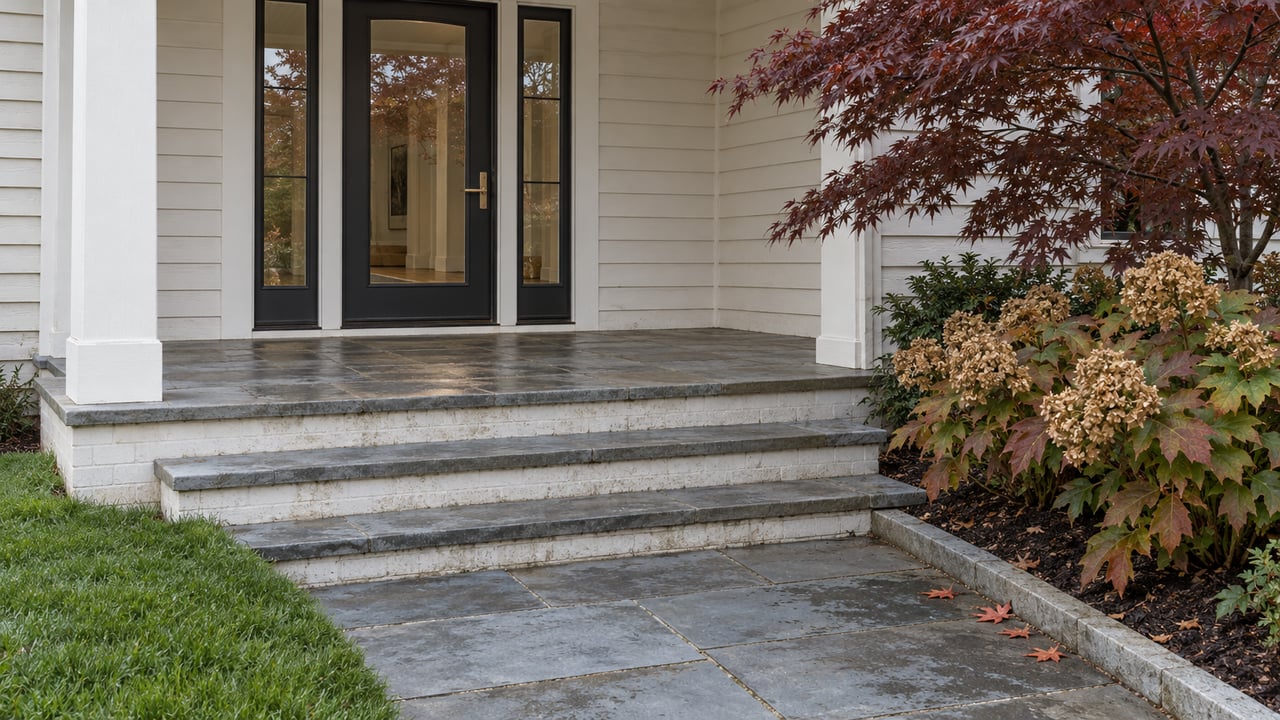
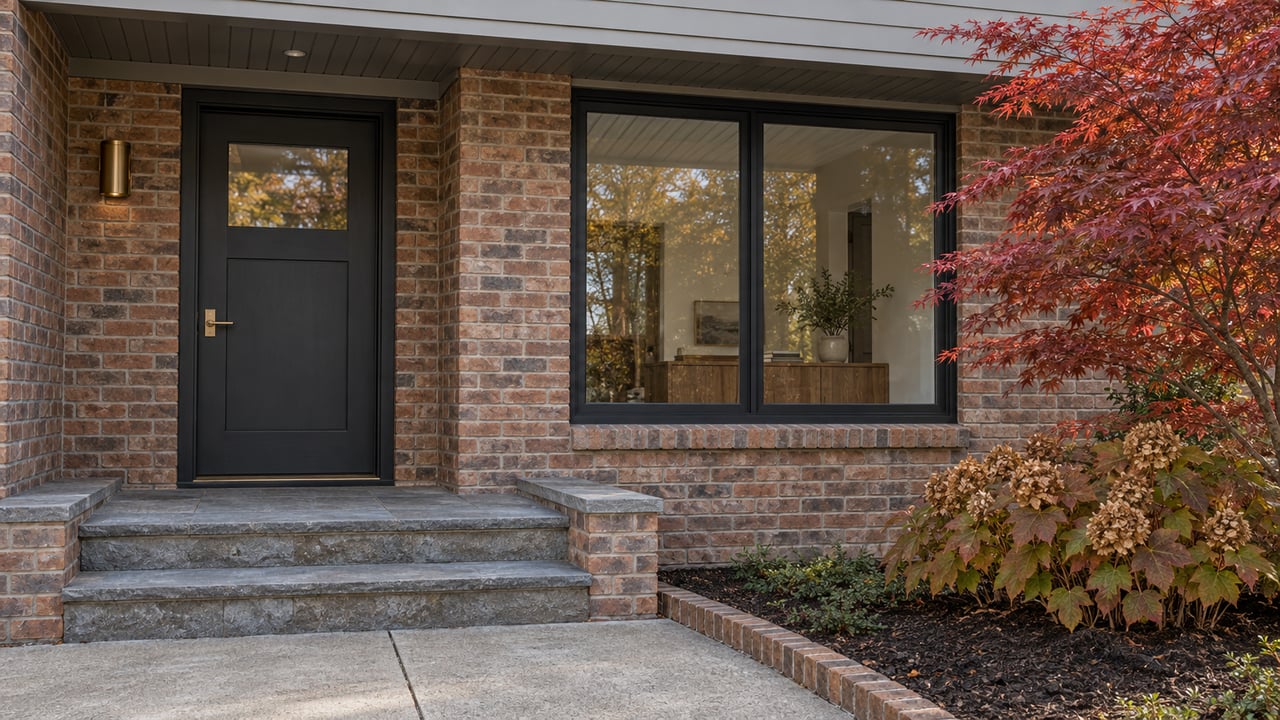
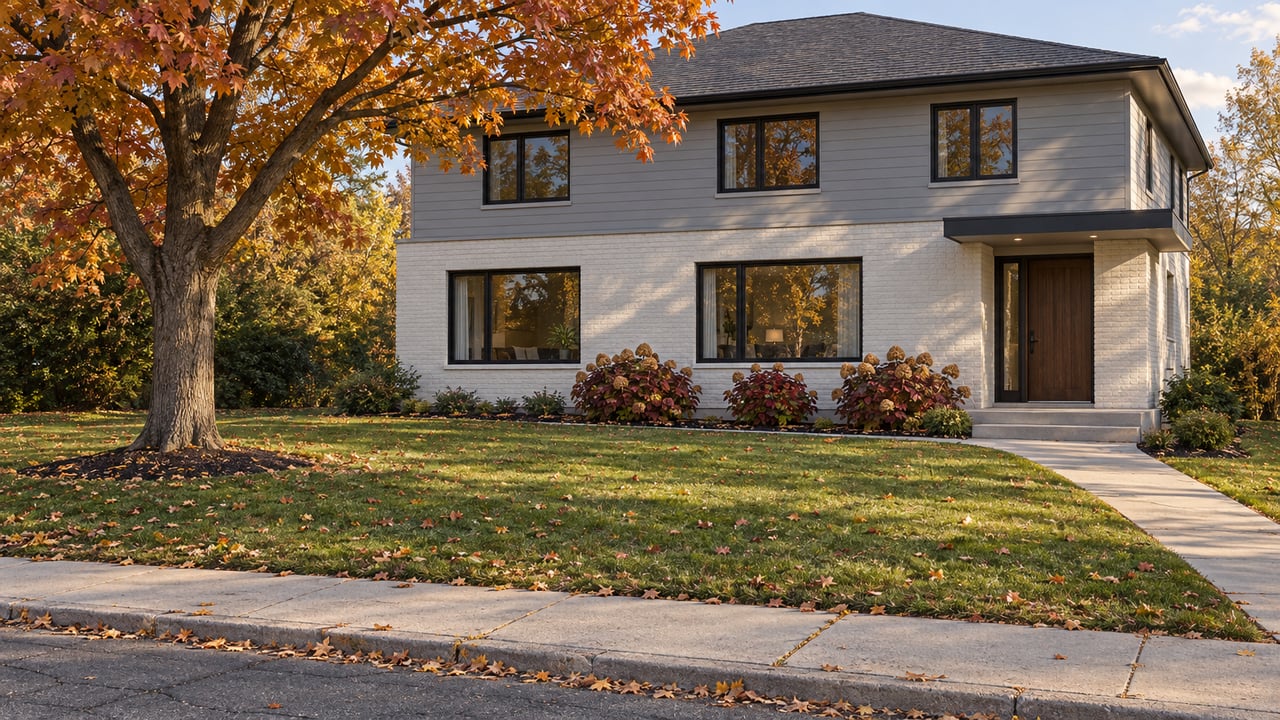
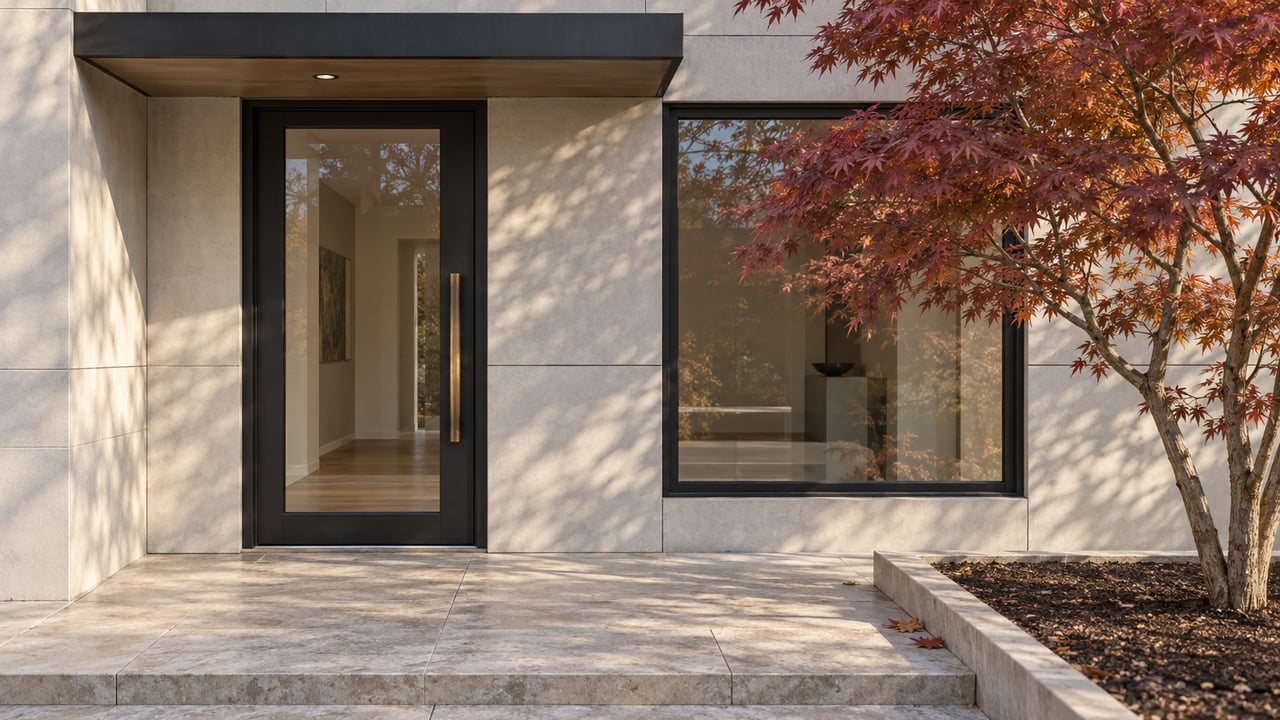
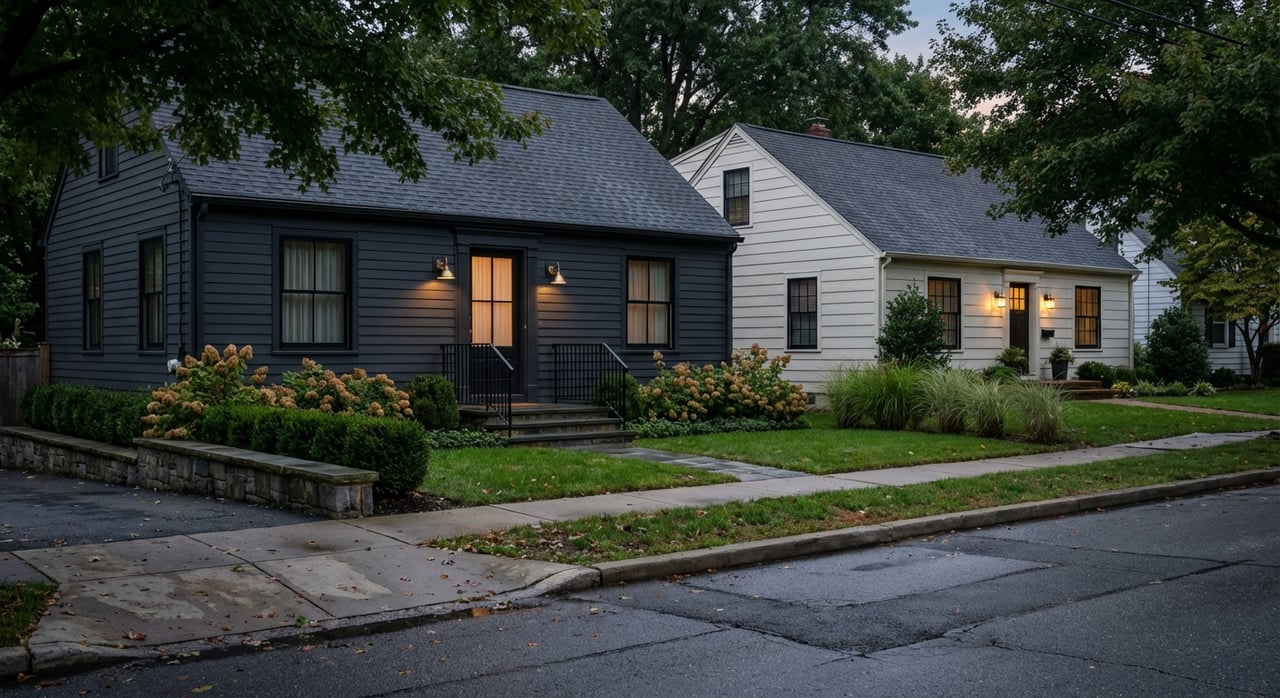
Both towns are dominated by single‑family homes, including early 20th‑century Colonials, Tudors, and other period styles. You’ll also see some smaller multifamily or condo options near the downtowns.
Typical price ranges
- Glen Rock: Recent market snapshots show a median sale price near $1.06M and a modeled typical value around $998k. Actual outcomes vary by block, size, and condition.
- Ridgewood: Expect a higher median sale price around $1.215M and a typical home value near $1.16M, with a larger selection above $1M and a notable luxury tier.
Both markets are competitive. Ridgewood usually has more high‑end historic inventory and a stronger downtown amenity premium. You can still find occasional 2 to 3 bedroom opportunities under $800k in either town, but supply at that tier is limited and changes quickly.
What this means for you
- If you want a slightly lower entry price on average, Glen Rock often sits a notch below Ridgewood.
- If you want more options in larger, historic, or premium homes, Ridgewood tends to have broader selection.
Commute: trains, buses, and parking
Glen Rock has two NJ Transit stations, Glen Rock–Main Line and Glen Rock–Boro Hall, served by the Main and Bergen County Lines with Hoboken service and Secaucus Junction connections to Midtown. That setup gives you frequent train choices and good last‑mile walkability near downtown addresses. You can review station details on the NJ Transit page for the Glen Rock Main Line station.
Ridgewood is a major stop on the Main and Bergen County Lines and serves as a commuter hub for the village. You also have multiple NJ Transit express bus routes to Port Authority, as well as private intercity buses along the GW Bridge corridor. For a quick overview of routes and options, see the Ridgewood, NJ summary. Station parking and peak crowding are common considerations in Ridgewood.
Typical door‑to‑desk times to Midtown often range from about 45 to 75 minutes depending on train versus express bus, transfer points like Hoboken or Secaucus, and time of day. Trains are usually more reliable at peak, while buses can be faster to Port Authority when traffic cooperates. Always run your exact trip during AM and PM peak and verify permit and garage logistics with the borough.
Downtown lifestyle: what you can walk to
Ridgewood’s village center around Van Neste Square and East Ridgewood Avenue is a regional dining and retail draw with dozens of restaurants, shops, community events, and cultural activities. It feels lively on nights and weekends and offers a wide range of options.
Glen Rock’s downtown centers on Rock Road with a smaller scale that supports everyday errands, coffee, and family activities. You’ll find local touchstones like the Museum at the Station and the town’s namesake boulder, The Rock. For context on local landmarks, explore the Glen Rock Historical and Preservation Society.
Parks and outdoor space serve both communities. Regional options like Saddle River County Park are nearby. Ridgewood typically offers more programmatic municipal recreation, including pool and seasonal activities, while Glen Rock leans into neighborhood green space and town events.
Schools and taxes: neutral, need‑to‑know facts
Families often cite schools as a top factor. Glen Rock Public Schools reported strong showings across district schools in the U.S. News 2025 rankings. You can review the borough’s summary on the Glen Rock site.
Ridgewood Public Schools are also consistently recognized among New Jersey’s top districts in public reporting and rankings roundups. For example, multiple Bergen County high schools, including Ridgewood, appear in statewide top lists covered by local news like Patch.
Property taxes vary by home and assessment. A commonly cited 2024 municipal average was about $19,297 in Glen Rock and $20,370 in Ridgewood, based on New Jersey DCA data summarized in local reporting. For a quick reference on these averages, see the Daily Voice roundup. Treat these as ballpark figures only. Your actual bill depends on assessed value, exemptions, and current tax rates.
How to choose: quick decision guide
- Choose Glen Rock if you want a compact, highly walkable downtown, two in‑town train stations, and median prices often a touch below Ridgewood.
- Choose Ridgewood if you value a larger, restaurant‑heavy village center, multiple commute modes including express buses, and broader high‑end historic inventory.
- Still undecided? Tour both on a weekday evening and a Saturday afternoon to see how the pace, parking, and foot traffic feel.
Your touring checklist
Use these questions to sharpen your choice before and during showings:
- Commute reality: Run your exact AM and PM door‑to‑desk trip by train and bus. Compare reliability, transfer times, and walk time from station to home and office.
- Parking logistics: Ask the borough about station permit availability, costs, and any garage waitlists or daily options.
- School boundaries: Request current boundary maps and recent state report cards. Verify where a specific address sends students.
- Ownership costs: For older homes, ask for recent utility bills, roof and HVAC age, insurance history, and typical maintenance items.
- Zoning and development: Ask about overlays, recent tear‑downs, expansions, or planned infill that could change block character.
- Micro‑market comps: Review 6 to 12 months of sold comps for the immediate area, not just townwide medians.
- Taxes: Request the last 3 years of property tax bills and ask about any pending school or municipal bonds.
Ready to compare live inventory, tour both towns, and negotiate with confidence? Connect with The Parlay Group for data‑driven guidance and concierge‑level service.
FAQs
How do Glen Rock and Ridgewood differ in size and feel?
- Glen Rock is a smaller, compact borough with a close‑in downtown, while Ridgewood is larger with a busier village center and broader amenities.
What are typical home prices in Glen Rock vs. Ridgewood?
- Recent snapshots place Glen Rock near the high‑$900k to low‑$1.1M range and Ridgewood around the low‑$1.1M to low‑$1.3M range, with Ridgewood offering a larger luxury tier.
How long is the commute from these towns to Midtown Manhattan?
- Door‑to‑desk times often run about 45 to 75 minutes depending on route, transfers, and time of day; trains are usually more reliable at peak, while express buses can be faster in light traffic.
What transit options does each town offer?
- Glen Rock has two in‑town NJ Transit stations with Hoboken and Secaucus connections, while Ridgewood is a major train hub with additional NJ Transit express bus options to Port Authority.
How do property taxes compare between Glen Rock and Ridgewood?
- Municipal averages cited for 2024 were about $19,297 in Glen Rock and $20,370 in Ridgewood, but your actual bill depends on assessed value and exemptions.
Are the public schools highly regarded in both towns?
- Yes. Glen Rock reported strong U.S. News 2025 results across all district schools, and Ridgewood is frequently listed among top New Jersey districts in local rankings coverage.