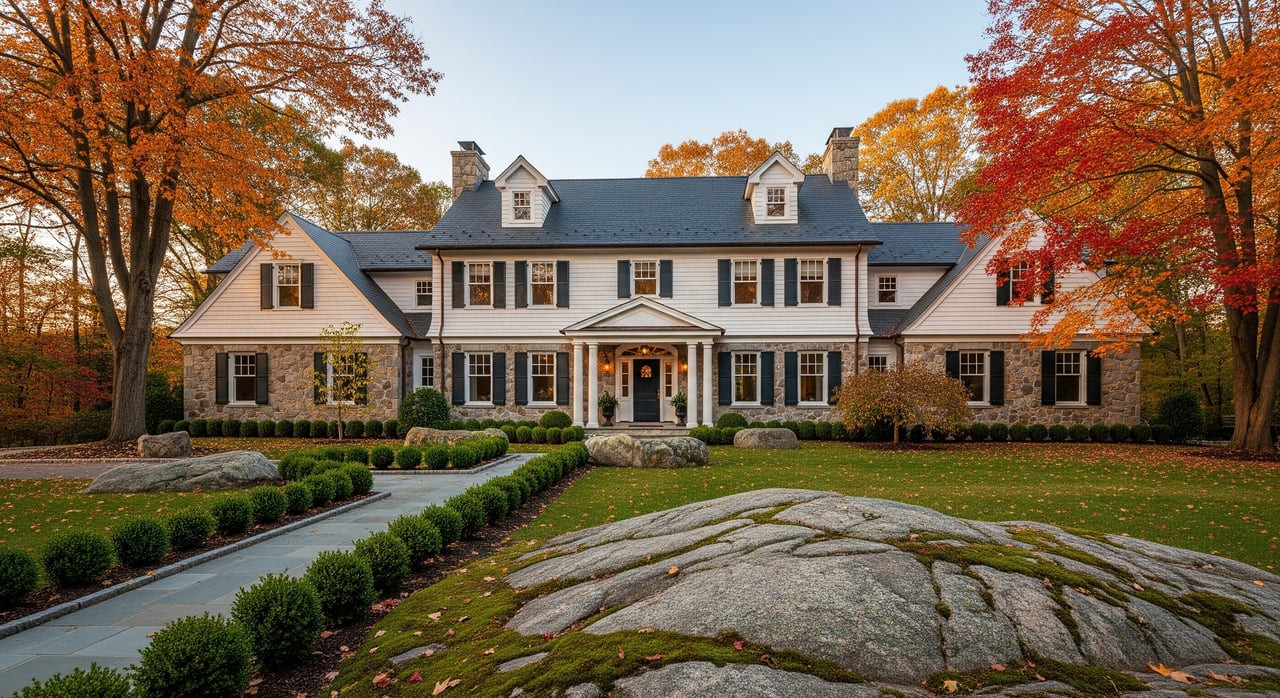
What if your curb appeal could tell Glen Rock’s story the moment someone pulls up? In a borough named for a legendary glacial boulder, you have a built‑in design cue that can add character and value. You can borrow the rock’s rugged textures, grounded colors, and sense of permanence to shape your exterior and landscape. In this guide, you’ll learn how to build a “Glen Rock” look with stone, color, hardscape, and native plants, plus budget‑smart steps and maintenance tips. Let’s dive in.
The Glen Rock look, explained
Glen Rock takes its name from a prominent glacial erratic, a boulder carried and dropped by ancient ice. Leaning into that local identity gives your home a visual story that feels authentic. Think rugged textures, muted earth tones, and details that read as durable and timeless.
Bergen County’s climate brings cold winters and humid summers. That means you should choose frost‑resistant stone, details that shed water, and plants that thrive in local soils and seasonal swings. Native and well‑adapted species will cut long‑term maintenance while reinforcing a natural, place‑based look.
Exterior materials that echo the boulder
Stone and masonry that last
Natural fieldstone or ledgestone works well for foundation veneers, low garden walls, and a sturdy mailbox base. Bluestone or other flagstone creates walkways, stoops, and patios with a Northeast feel. Granite and similar durable stones are excellent for steps and curbing, with hues from cool gray to slightly rusty streaks.
Manufactured thin‑veneer stone can lower cost and weight if you prefer a lighter installation. Check for quality and freeze–thaw ratings. To keep the look natural, favor matte, textured finishes over polished faces. Match mortar to the stone tones so joints blend in, since bright white mortar can look too modern for the theme. Use stone in strategic areas to avoid visual heaviness and to keep your budget focused on impact.
Cladding, trim, and metals that pair well
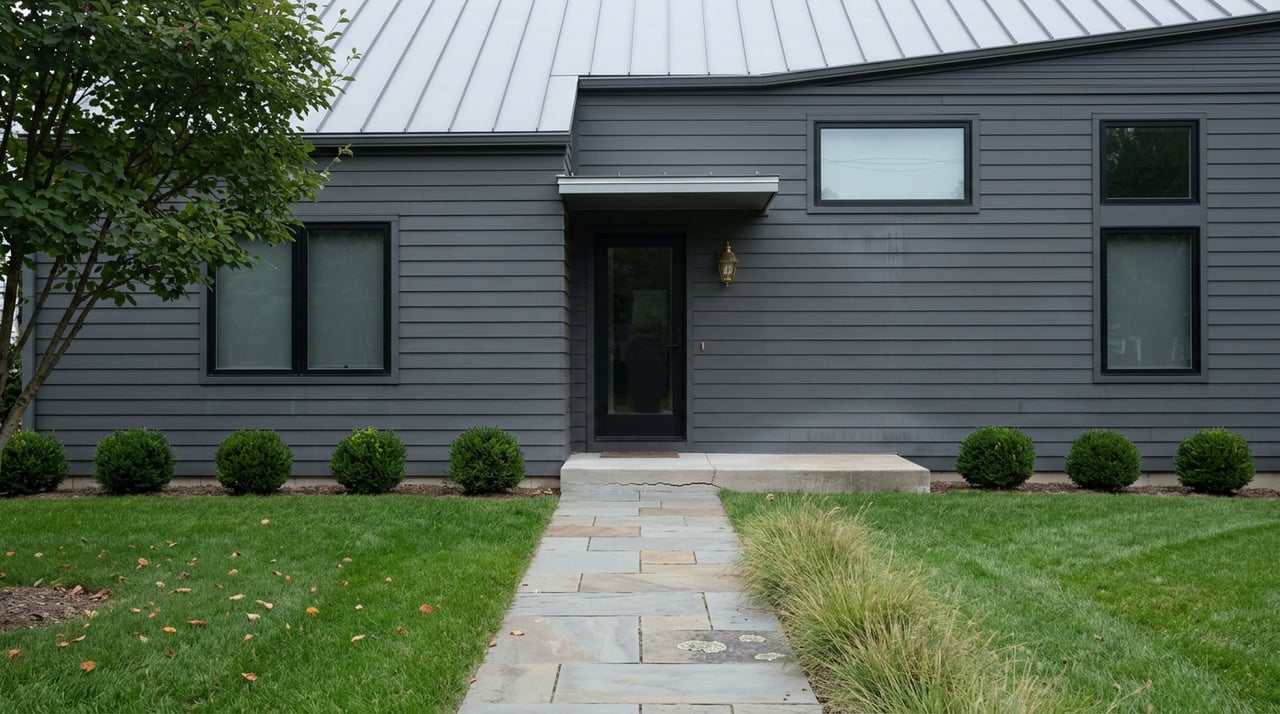
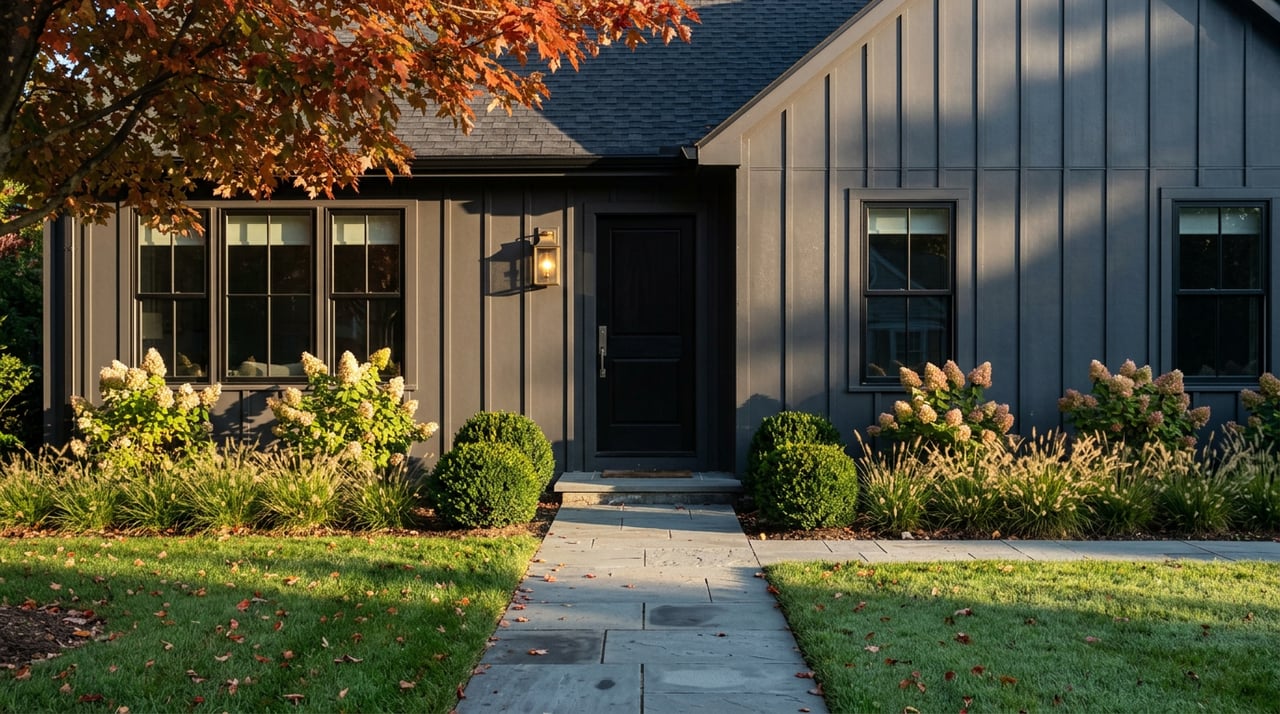
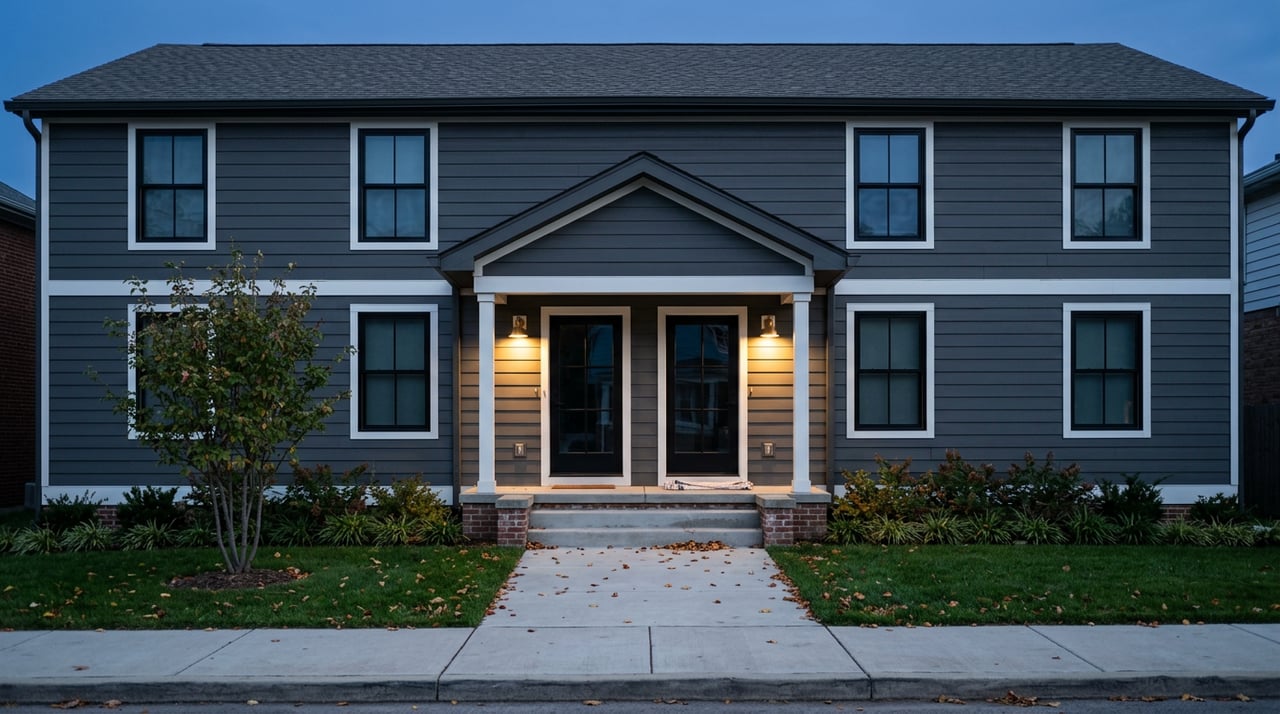
Wood or fiber‑cement siding in muted earth tones will complement stone elements. Deep trim colors, like charcoal, forest green, or deep brown, frame stone as a focal point. Black or dark bronze metal accents on gutters and roof details add crisp contrast without feeling flashy. Pair rough stone with smoother siding to let texture do the talking without clutter.
Paths, walls, and accents with a sense of place
Hardscape ideas that feel natural
If space allows, a focal boulder in the front yard can become a landmark that nods to the borough’s namesake. If a large boulder is not feasible, a cluster of smaller fieldstones can anchor a planting bed near the entry. An irregular bluestone path, rather than straight poured concrete, reinforces a natural flow and reads as local.
Low dry‑stack or mortared stone walls define beds and terraces while adding texture. Consider crushed stone paths or permeable pavers for driveways and walkways to manage runoff and protect the surrounding landscape. Keep arrangements slightly organic rather than overly symmetrical to echo the glacial story. At night, use soft uplights on stone walls or a focal boulder and low path lights to reveal texture without glare.
Stormwater, drainage, and freeze–thaw
Permeable materials like open‑joint pavers and crushed stone beds help reduce runoff and protect foundations. A well‑prepared base and subgrade under walkways and walls will resist frost heave. Good drainage behind retaining features is essential for stability. Rain barrels and rain gardens can capture roof runoff while fitting seamlessly into a natural landscape.
Before you rebuild a driveway, add new curb cuts, or alter drainage, check local borough rules and any stormwater guidance that applies. A few minutes of planning avoids rework and protects neighboring properties.
Planting a native, low‑maintenance palette
Trees and shrubs that belong
Choose native or well‑adapted trees and shrubs that thrive locally. Shade trees like oaks and maples provide structure and seasonal interest. For smaller ornamentals, consider serviceberry and flowering dogwood for subtle spring bloom and balanced form. Evergreen foundations, including inkberry holly and bayberry, keep year‑round presence without demanding pruning.
Mountain laurel and other regional natives can add texture in the right site conditions. Place larger plants to frame the house and soften stone features instead of hiding them. Aim for layers that lead the eye to the entry.
Perennials and groundcovers with texture
A meadow‑like mix near stonework feels right at home. Ferns and sedges bring fine texture, while native phlox, coneflower, rudbeckia, asters, and sedum add color through the seasons. Allow plants to knit together to reduce weeding and watering.
If you have shaded, moist corners, encourage moss around stone steps and low walls by avoiding pressure washing. Moss and lichens make stonework read as established without years of waiting.
Rain gardens and bioswales
In low spots, a rain garden or shallow bioswale planted with native wet‑meadow species can capture runoff from the roof or driveway. This improves drainage, cuts down on puddling, and extends the natural aesthetic into a functional feature. Keep overflow paths clear and ensure water moves away from the foundation.
Budgets, phasing, and timing
Start with quick wins
If you want impact without a full renovation, focus on a few targeted moves:
- Stone mailbox base with an inset address plaque.
- Irregular bluestone or flagstone path to replace or complement concrete.
- Foundation stone veneer along the lower 2 to 3 feet of the front façade.
- A small focal boulder or rock cluster in a planted bed with a subtle uplight.
- A low stone retaining wall with layered native plantings.
These upgrades build character fast and set the stage for larger projects later.
What costs the most
Natural stone is typically a higher investment than manufactured thin veneer and most siding options. Using stone selectively helps control costs without losing the look. Full stone cladding and large boulder placement land on the higher end. Stone veneer and small walls fall into a mid‑range for many homes. Your contractor can confirm freeze–thaw ratings and installation details, then tailor scope to your budget.
Maintenance to protect your investment
Stone, mortar, and surfaces
Stone is generally low‑maintenance. Over time, mortar joints may need repointing in a freeze–thaw climate. Clean bluestone and flagstone periodically with gentle methods. Avoid harsh chemicals that can damage mortar and plants. In winter, skip deicing salts on stone surfaces. Shovel promptly and use sand or pet‑safe products if needed.
Plants and mulch
Native and well‑adapted plants typically need less watering and pruning once established. Mulch beds to suppress weeds and moderate soil moisture. Keep mulch and plantings a small distance from the foundation if required for drainage and inspection. Prune selectively to preserve the natural shape and the visibility of stone features.
Permits, placement, and neighbor‑friendly planning
Before you build front‑yard walls, fences, or new driveways, check Glen Rock borough regulations or zoning. If you are placing a boulder near the curb or within the public right‑of‑way, coordinate with public works and secure any required approvals. Projects near historic features may need additional review. When in doubt, ask the building and permit office early.
If your drainage plan may affect a neighbor, discuss it before work begins. Simple coordination goes a long way toward smooth approvals and community goodwill.
A practical planning checklist
- Define your look: rough stone textures, muted earth tones, and a few high‑impact focal points.
- Map the site: note sun, shade, slopes, and drainage paths, then place stone and plants accordingly.
- Prioritize quick wins: mailbox base, path, foundation veneer, and one focal boulder or wall.
- Choose materials: frost‑resistant stone, compatible mortar, fiber‑cement or wood siding, deep trim color, dark metal accents.
- Plan stormwater: permeable paths, proper bases, and a rain garden where it fits.
- Select native plants: layer trees, shrubs, and perennials for season‑long interest and low maintenance.
- Get estimates: use local masons and landscape pros with freeze–thaw experience.
- Check permits: confirm any requirements for walls, driveways, curb cuts, or right‑of‑way work.
- Phase the work: start with front entry and visibility, then add larger hardscape features.
- Light the texture: use warm, low fixtures to highlight stone at night.
How this helps your home’s market story
Buyers notice curb appeal first. A Glen Rock‑inspired exterior reads as thoughtful and durable, which can support stronger perceived value. If you are planning to sell in the next 6 to 24 months, tackling a few high‑impact upgrades now may pay off in listing photos, showings, and first impressions.
At The Parlay Group, we look at local comps and buyer feedback to help you choose what to do now versus later. If you want a market‑minded opinion on your exterior plan, we can walk you through potential returns and timing based on your target price point.
Ready to build character that feels unmistakably Glen Rock? Let’s connect and create a curb appeal plan that aligns with your budget and goals with The Parlay Group.
FAQs
Will stone accents make my Glen Rock home look dated?
- Used selectively and paired with contemporary trim and colors, stone reads classic and timeless. Balance is key.
Is natural stone too expensive for a small project?
- Natural stone costs more than manufactured veneer, but focusing on foundations, paths, or a mailbox base delivers impact at a lower overall cost.
Can I add thin‑veneer stone over my existing porch foundation in NJ?
- Often yes, if you use proper flashing, a suitable substrate, and freeze–thaw‑rated materials. Confirm details with your contractor and the building department.
Will planting close to stone walls cause moisture problems?
- Good grading and well‑drained planting beds reduce moisture against walls. Leave a small clear strip at the foundation if needed and ensure drainage flows away.
How do I protect stone walks and plants in winter?
- Avoid deicing salts on stone, shovel promptly, and use sand or pet‑safe products. Gentle seasonal cleaning preserves mortar and nearby plantings.