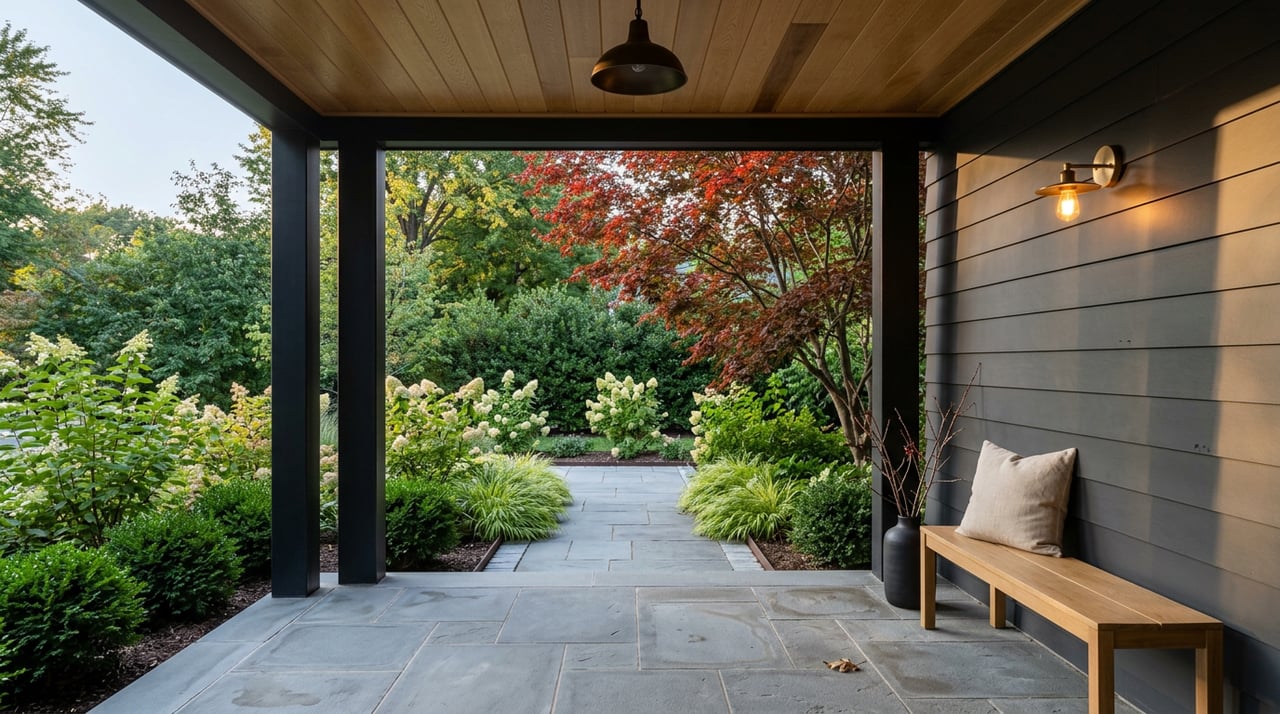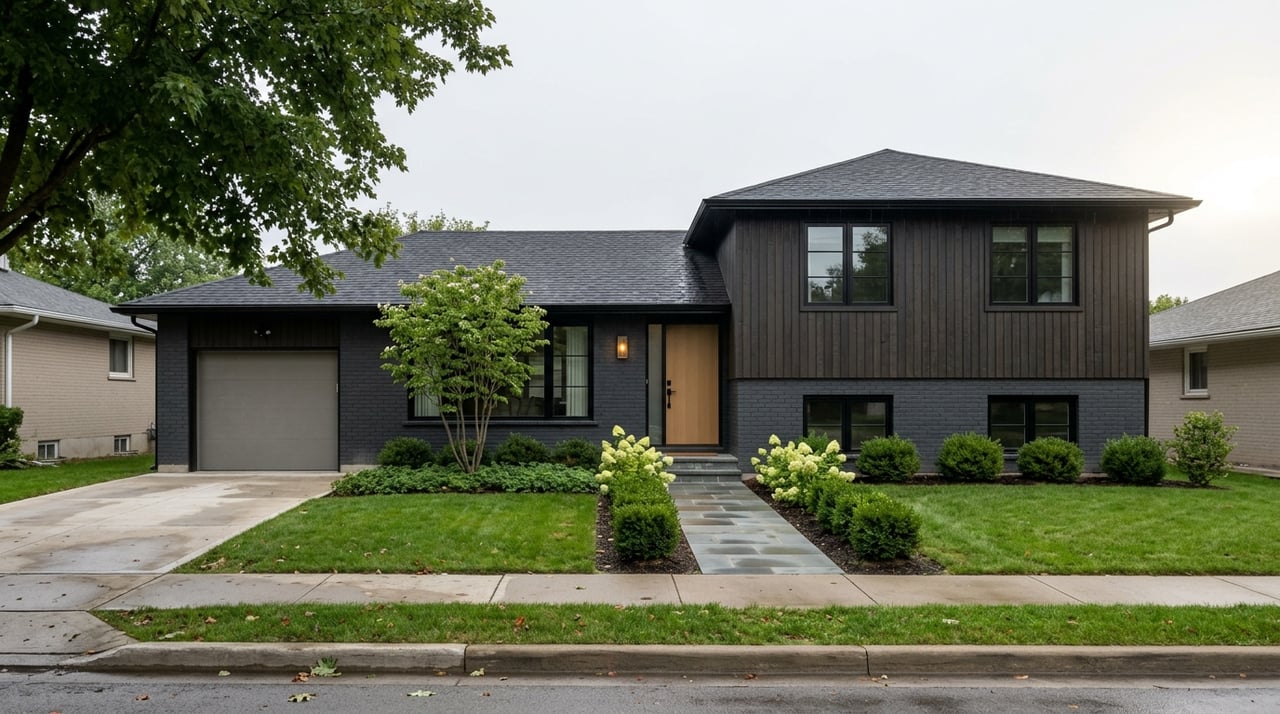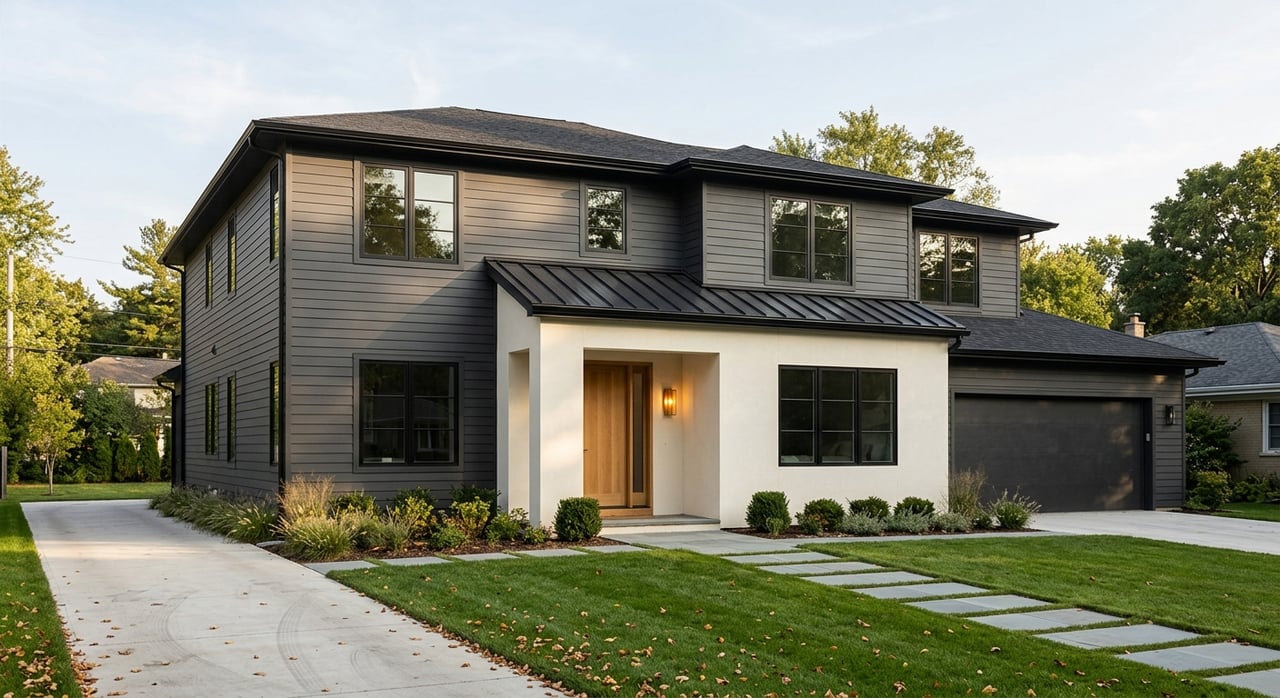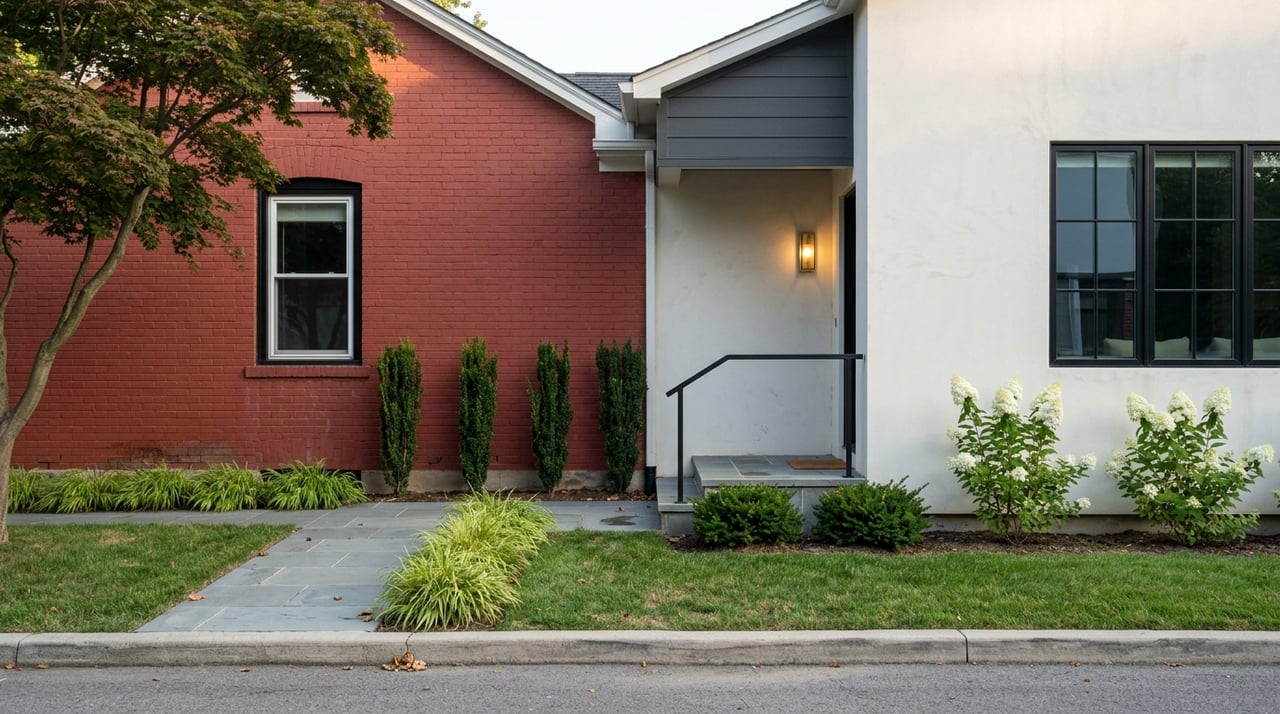
Trying to decide between an older home and a newer build in Township of Washington? You are not alone, and the answer is rarely as simple as “old is charming” or “new is easier.” In this market, the smarter question is what you value more: character and lot size or turnkey convenience and lower surprise risk. If you are weighing both options, this guide will help you compare layout, maintenance, pricing, and resale in a practical way. Let’s dive in.
Township of Washington Market Snapshot
Township of Washington is a highly owner-occupied, low-turnover market in Bergen County. Census QuickFacts shows a 97.0% owner-occupied housing unit rate and 96.4% of residents living in the same home one year earlier, which points to a market where homeowners tend to stay put.
Pricing also shows steady demand, though different sources measure value in different ways. Census QuickFacts reports a 2020-2024 median owner-occupied home value of $664,000, Zillow’s home value index was $834,882 as of May 31, 2026, and Redfin’s June 2026 snapshot for 07676 showed a median sale price of $867,000, a 107.3% sale-to-list ratio, and 58 median days on market.
The key takeaway is not to treat those figures as interchangeable. Instead, read them directionally: Township of Washington remains a competitive market where both older homes and newer construction can command strong pricing when condition, lot, and presentation line up.
What Older Homes Usually Offer
Older homes in Township of Washington are often mid-century ranches and colonials on established lots. Recent examples include homes from the 1950s and 1960s, such as a 1952 expanded ranch on about 0.53 acres and a 1961 colonial on about 0.5 acres.
That usually means you may find mature lots, detached homes, and more traditional room separation. If you prefer clearly defined living spaces, formal layouts, or fewer stairs in a ranch-style home, older properties may check important boxes.
There is also a price range worth noting. Recent examples show older homes stretching from the mid-$600,000s for smaller mid-century properties to the mid-$700,000s and $900,000s for larger or more updated homes, with some standout older homes selling well above that when size, condition, and lot quality are stronger.
What Newer Homes Usually Offer
Newer homes in Township of Washington tend to follow a different playbook. Instead of traditional compartmentalized layouts, they often feature open kitchens, larger primary suites, mudrooms, second-floor laundry, finished lower levels, and flexible guest space.
Recent examples reflect that pattern. A 2022 new construction home was marketed with a two-story foyer, open plan, kitchen island, and second-floor laundry, while a 2025 new build emphasized an expansive great room, gourmet kitchen, and guest-bedroom flexibility.
In this township, newer homes often appear as custom infill or rebuild projects on established streets, not large new subdivisions. That matters because you may get modern design and newer systems while still being in a long-established residential setting.
Layout and Lifestyle Tradeoffs
When buyers compare old versus new, floor plan often becomes the deciding factor. Older ranches and colonials usually offer more separation between rooms, which can be useful if you want distinct living zones or quieter bedroom areas.
Newer homes usually lean toward open-concept living. If you want sightlines from the kitchen to the family room, larger entertaining spaces, or more flexible multi-use rooms, newer construction often delivers that more naturally.
Neither option is automatically better. It comes down to how you live day to day, how much privacy you want between spaces, and whether you see yourself renovating over time or moving into something that already fits your routine.
Maintenance and Efficiency Differences
The biggest practical difference between older and newer homes is often the building envelope, meaning how well the home is insulated and sealed. The Department of Energy says many older homes have less insulation than homes built today, and that air leakage can account for 30% or more of heating and cooling costs. It also notes that about 30% of a home’s heating energy can be lost through windows.
That does not mean every older home is inefficient. Many have been improved over time. Still, if you are buying an older home, it is smart to ask detailed questions about insulation, windows, and heating and cooling updates.
Newer homes usually have an advantage here because their shell and systems are newer and often tighter. Even so, newer does not mean perfect. Buyers should still pay close attention to workmanship, drainage, and finish quality.
Inspection Issues to Watch Closely
For older homes, inspections should go well beyond surface-level finishes. The Environmental Protection Agency says homes built before 1978 are more likely to contain lead-based paint, and renovation work that disturbs painted surfaces can create hazardous lead dust.
If a remodel could disturb suspected floor tile, ceiling tile, or pipe wrap, EPA guidance recommends sampling for asbestos before disturbing the material. These are not reasons to avoid older homes, but they are reasons to budget and plan carefully.
For newer homes, an inspection still matters. The Consumer Financial Protection Bureau advises buyers to schedule an independent home inspection as soon as possible so there is enough time to resolve issues or make decisions under an inspection contingency.
One issue applies to both old and new homes: radon. The EPA strongly encourages radon testing in all homes and says elevated results at 4 pCi/L or higher should be fixed.
Price Versus Total Cost
This is where many buyers get tripped up. The list price is only part of the story. In Township of Washington, recent examples show a meaningful spread, with smaller older homes in the mid-$600,000s, updated older homes pushing into the mid-$700,000s to $900,000s, and custom new construction ranging from about $1 million to $2.5 million.
So the better comparison is not just “Which home is cheaper?” It is “What will this home cost me to get to the condition and function I actually want?”
If you buy an older home, your first wave of spending may go toward:
- Insulation and air sealing
- Window upgrades
- Heating and cooling improvements
- Lead-safe work if the home is pre-1978
- Asbestos-related testing or remediation if needed
If you buy newer construction, your near-term spending may shift more toward:
- Inspection-based corrections
- Minor finish or workmanship fixes
- Site or drainage work tied to the lot
- Cosmetic personalization after move-in
That is why a smart budget should come from inspection findings and contractor quotes, not from a rough guess.
Resale Thinking in Township of Washington
Because Township of Washington is a stable, owner-occupied market, resale tends to reward homes that feel easy for the next buyer to understand and appreciate. The local data supports that picture, with very high owner occupancy and low turnover, plus a recent seller’s market where homes closed above list on average.
Older homes often stand out when they offer something harder to reproduce, such as a larger established lot, a classic ranch or colonial layout, or architecture with clear character. Newer homes often stand out when buyers want modern flow, newer systems, and less immediate maintenance.
In other words, both categories can resell well. The better question is whether the home’s condition, layout, and lot make sense for the next buyer as much as they make sense for you.
How to Choose the Right Fit
If you are deciding between old and new in Township of Washington, focus on these questions:
- Do you want move-in-ready convenience or are you comfortable improving a home over time?
- Do you prefer traditional room separation or an open-concept layout?
- Is a mature lot a major priority?
- How much of your cash do you want tied up in future repairs or upgrades?
- Are you buying for long-term use, easier resale, or both?
A practical approach is to compare homes based on total cost, layout fit, and inspection risk, not just asking price. That is how you avoid buying the wrong kind of compromise.
The Bottom Line on Old vs. New
In Township of Washington, the old-versus-new debate is really about character and lot versus turnkey ease and lower surprise risk. Older homes can offer established settings, larger lots, and layouts many buyers still love. Newer homes can offer modern flow, newer systems, and fewer immediate upgrades.
The right choice depends on your budget, your tolerance for projects, and what kind of daily living experience matters most to you. If you compare homes with a clear eye on layout, maintenance, and total cost, you will make a stronger decision and negotiate from a smarter position.
If you want help weighing older homes against new construction in Township of Washington, The Parlay Group brings data-driven guidance, local Bergen County insight, and a pragmatic approach to every step of the process.
FAQs
What is the main difference between older and newer homes in Township of Washington?
- Older homes often offer mature lots and more traditional layouts, while newer homes usually offer open floor plans, newer systems, and lower immediate maintenance needs.
Are older homes in Township of Washington more affordable than new construction?
- Often, yes. Recent examples show smaller older homes in the mid-$600,000s, updated older homes in the mid-$700,000s to $900,000s, and newer custom homes from about $1 million up to $2.5 million.
What inspection issues matter most for older homes in Township of Washington?
- Key concerns can include insulation, windows, heating and cooling systems, lead-based paint in pre-1978 homes, possible asbestos in certain materials, and radon testing.
Do newer homes in Township of Washington still need inspections?
- Yes. Even with newer construction, buyers should still verify workmanship, drainage, finish quality, and general condition through an independent inspection.
Is Township of Washington a competitive housing market?
- Yes. Recent local data showed a median sale price of $867,000, a 107.3% sale-to-list ratio, and 58 median days on market, which points to solid demand.
How should buyers compare old and new homes in Township of Washington?
- The best approach is to compare total cost, layout fit, lot preference, inspection findings, and likely near-term spending rather than focusing only on the asking price.