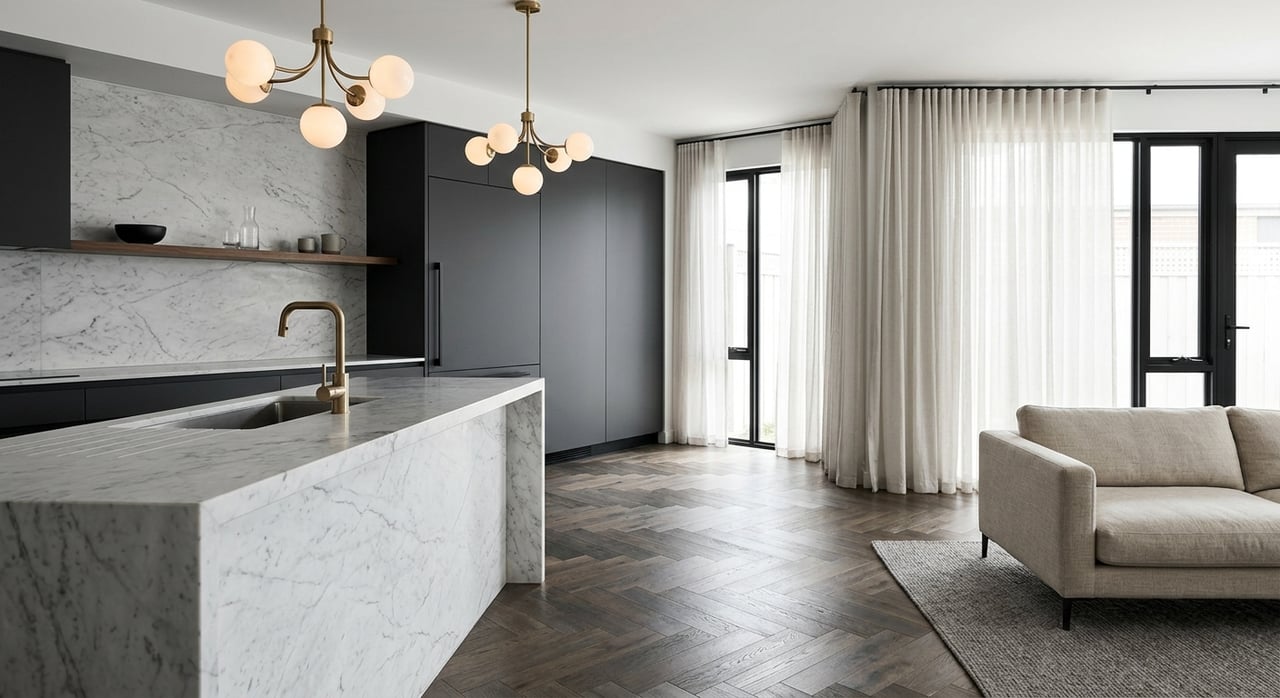
If you are thinking about selling in Township of Washington, the good news is this: buyers are paying attention, and the details matter. In a market with limited inventory and township-level pricing in the low-to-mid $800,000s, your home can stand out, but only if you plan the rollout carefully. The right sequence can help you protect your price, avoid preventable issues, and move from prep to closing with fewer surprises. Let’s dive in.
Start With Township-Level Pricing
One of the biggest mistakes sellers make is looking too broadly at Bergen County numbers and assuming they tell the full story. They do not. Public market snapshots show Township of Washington pricing around the low-to-mid $800,000s, while broader Bergen County figures trend lower and often show longer timelines.
That gap matters when you set expectations. Realtor.com reports a median listing price of $794,000 and 17 median days on market in Township of Washington, while Zillow shows an average home value of $813,099 and a median list price of $819,967 as of March 31, 2026. By comparison, county-wide snapshots are lower, which is why your pricing strategy should rely on recent township comps first.
For you as a seller, this means pricing should be local, specific, and grounded in comparable homes that match your style, condition, and location within the township. A data-driven launch is not just about picking a number that sounds good. It is about choosing a number that gives you the best chance to attract serious buyers early.
Understand What Buyers Notice First
Township of Washington is a small, mostly owner-occupied market. Census QuickFacts estimates 9,437 residents, a 97.0% owner-occupied rate, and a median household income of $180,133. In a market like that, buyers are often comparing homes carefully and paying close attention to condition and presentation.
That means first impressions carry real weight. If your home looks clean, bright, and move-in ready online, you are more likely to draw strong interest once the listing goes live. If it feels cluttered, dim, or unfinished, buyers may move on before they ever schedule a showing.
Step 1: Do a Pre-List Walkthrough
Before photos, before marketing, and definitely before showings, your first move should be a pre-list walkthrough. This step helps you separate cosmetic upgrades from issues that could affect buyer confidence, inspections, or your final net proceeds.
A smart walkthrough usually focuses on three buckets:
- quick cosmetic improvements
- maintenance or repair items that may raise red flags
- disclosures or compliance items you need to prepare early
This is also the time to think practically. If a repair is likely to come up during inspection, it is often better to address it before buyers start building objections into their offers.
Step 2: Declutter, Clean, and Simplify
When your home hits the market, buyers will almost always see it online before they see it in person. According to NAR guidance, the camera magnifies clutter and poor furniture arrangement, which makes prep more important than many sellers expect.
Start with the basics:
- remove extra furniture that makes rooms feel smaller
- clear counters and shelves
- take down magnets, notes, and distracting personal items
- open blinds for natural light
- deep clean every room
NAR’s 2025 staging survey found that the most common seller recommendations were decluttering, cleaning, and improving curb appeal. That tracks with what works in real life. You do not need your home to feel sterile, but it should feel open, cared for, and easy for buyers to understand.
Step 3: Focus on the Rooms That Matter Most
Not every space carries the same marketing weight. NAR reports that the most commonly staged rooms are the living room, primary bedroom, dining room, and kitchen. Those spaces tend to shape a buyer’s overall impression of the home.
If your time or budget is limited, start there. A cleaner layout, lighter styling, and better flow in these rooms can make your entire home feel more polished. Small changes can often do more than expensive ones when they improve scale, light, and usability.
NAR also found that 29% of agents saw a 1% to 10% increase in offered value for staged homes, and 49% saw faster sales. In a market with limited inventory like Township of Washington, that kind of edge can matter.
Step 4: Get Photography Done Before You Launch
Professional photography is not optional in modern listing marketing. Buyers expect clear, attractive visuals, and your online presentation sets the tone for everything that follows.
Your photo prep should support that goal. Keep surfaces spotless, open window coverings, reduce visual distractions, and make sure the home shown online matches the condition buyers will see in person. If the photos promise one experience and the showing delivers another, trust drops fast.
This is also why timing matters. The best launch plan usually completes decluttering, cleaning, staging, and photography before the property goes live. That way, your listing starts strong rather than trying to improve after the first wave of attention has passed.
Step 5: Prepare New Jersey Disclosures Early
In New Jersey, disclosure and compliance steps are not something to leave for the last minute. The New Jersey Real Estate Commission notes state updates affecting brokerage service agreements, the Consumer Information Statement, the Property Condition Disclosure Statement, broker compensation, and signage at showings.
One key item is the updated New Jersey Seller’s Property Condition Disclosure Statement. Beginning March 20, 2024, the updated form includes flood-risk questions alongside known property defects. If your home is in a FEMA flood zone, has flood history, or has federal flood insurance requirements, those facts should be disclosed accurately.
If your home was built before 1978, federal law also requires disclosure of known lead-based paint hazards, any available records, and the lead information pamphlet for buyers. Buyers must also be given a 10-day opportunity for an inspection or risk assessment for lead.
The smoother move is to gather these items before your listing is active. That helps reduce delays once offers begin coming in.
Step 6: Handle Local Fire Certificate Requirements
For one- and two-family dwellings in New Jersey, a smoke detector, carbon monoxide alarm, and portable fire extinguisher compliance certificate is generally required before sale or change of occupancy. In Township of Washington, the Bureau of Fire Prevention is the local point of contact for questions and inspection coordination.
This is one of those items that can sneak up on sellers if it is not planned early. It is simple, but timing matters. Taking care of it in advance can help you avoid last-minute stress as you get closer to closing.
Step 7: Build a Strong Launch Plan
Once the home is ready, your listing launch should aim for maximum visibility right away. NAR’s consumer guidance says home marketing typically includes staging, professional photography, social media, signage, open houses, and competitive pricing. It also notes that MLS exposure usually provides the broadest reach.
That first weekend matters. NAR also says a first open house the weekend after listing can help maximize exposure. In a market with limited inventory, compressing attention into the early launch window can help create momentum.
A strong launch is usually built around:
- accurate pricing based on township comps
- polished listing photos
- a clean and consistent in-person presentation
- coordinated showing availability
- early open house planning
The goal is simple. You want the first group of buyers to see the home at its best, not after the momentum is gone.
Step 8: Keep the Home Showing-Ready
Once the listing is active, consistency becomes your job. Buyers who liked the online presentation expect the same condition during a showing or open house. If they walk in and see clutter, poor lighting, or deferred cleanup, the listing can lose steam quickly.
Try to keep a simple routine during this stage. Make beds, clear surfaces, open blinds, and do a quick reset before leaving for showings. It sounds basic, but it protects the work you already did before launch.
Step 9: Review Offers Beyond Price
The highest offer is not always the best offer. In New Jersey, your review should look at financing strength, contingencies, inspection risk, timing, and the likely net result after fees and closing costs.
This is especially important if your home is priced near or above $1 million. New Jersey generally imposes a Realty Transfer Fee on the seller at recording, and certain residential transfers above $1 million can trigger an additional graduated fee. That means the number on page one of an offer may not reflect what you actually take home.
A disciplined review usually compares:
- offer price
- financing strength
- inspection and appraisal risk
- contingency terms
- requested closing timeline
- seller costs and likely net proceeds
This is where strategy matters. A cleaner offer with fewer complications can be stronger than a higher number that comes with more risk.
Step 10: Double-Check Tax and Property Records
Before you go too far into the process, it is worth confirming parcel data, assessed value, and prior-year taxes. New Jersey’s Transparency Center can help verify those details from local assessor filings.
This can help you catch errors, answer buyer questions more confidently, and support cleaner disclosures. It is not the flashiest part of selling, but it is the kind of quiet prep that keeps deals moving.
Why the Order Matters
Selling a home is not just a list of tasks. It is a sequence. In Township of Washington, where local pricing can outperform broader county snapshots and inventory remains limited, each step affects the next.
If you price first but skip prep, buyers may hesitate. If you market before photography and staging are ready, you may waste the strongest attention window. If you wait too long on disclosures or certifications, you can create avoidable delays once you are under contract.
That is why a step-by-step plan works. It helps you launch stronger, negotiate smarter, and stay in control of the details that affect your final result.
If you are getting ready to sell in Township of Washington, working with a team that knows the local numbers, understands New Jersey listing requirements, and manages the process with discipline can make a meaningful difference. To plan your next move, connect with The Parlay Group.
FAQs
What is the current home price range in Township of Washington, NJ?
- Public market snapshots place Township of Washington home pricing in the low-to-mid $800,000s, with Realtor.com reporting a $794,000 median listing price and Zillow showing an $813,099 average home value and an $819,967 median list price as of March 31, 2026.
Why should Township of Washington sellers use local comps instead of Bergen County averages?
- Township of Washington pricing trends higher than broader Bergen County snapshots, so township-level comparable sales usually provide a more accurate basis for pricing your home.
What should sellers do before listing a home in Township of Washington?
- A solid pre-list plan includes a walkthrough, decluttering, cleaning, staging key rooms, completing photography, gathering disclosure documents, and planning required compliance steps before launch.
What disclosures are required when selling a home in New Jersey?
- Sellers should be prepared to complete the New Jersey Seller’s Property Condition Disclosure Statement, including flood-related disclosures where applicable, and homes built before 1978 require lead-based paint disclosures if hazards are known.
Does a Township of Washington seller need a fire compliance certificate?
- For one- and two-family dwellings, New Jersey generally requires a smoke detector, carbon monoxide alarm, and portable fire extinguisher compliance certificate before sale or change of occupancy, with the Township of Washington Bureau of Fire Prevention serving as the local contact.
How should New Jersey sellers compare offers on a home?
- You should look beyond price and compare financing strength, contingencies, inspection risk, timing, and estimated net proceeds after transfer fees and other seller costs.