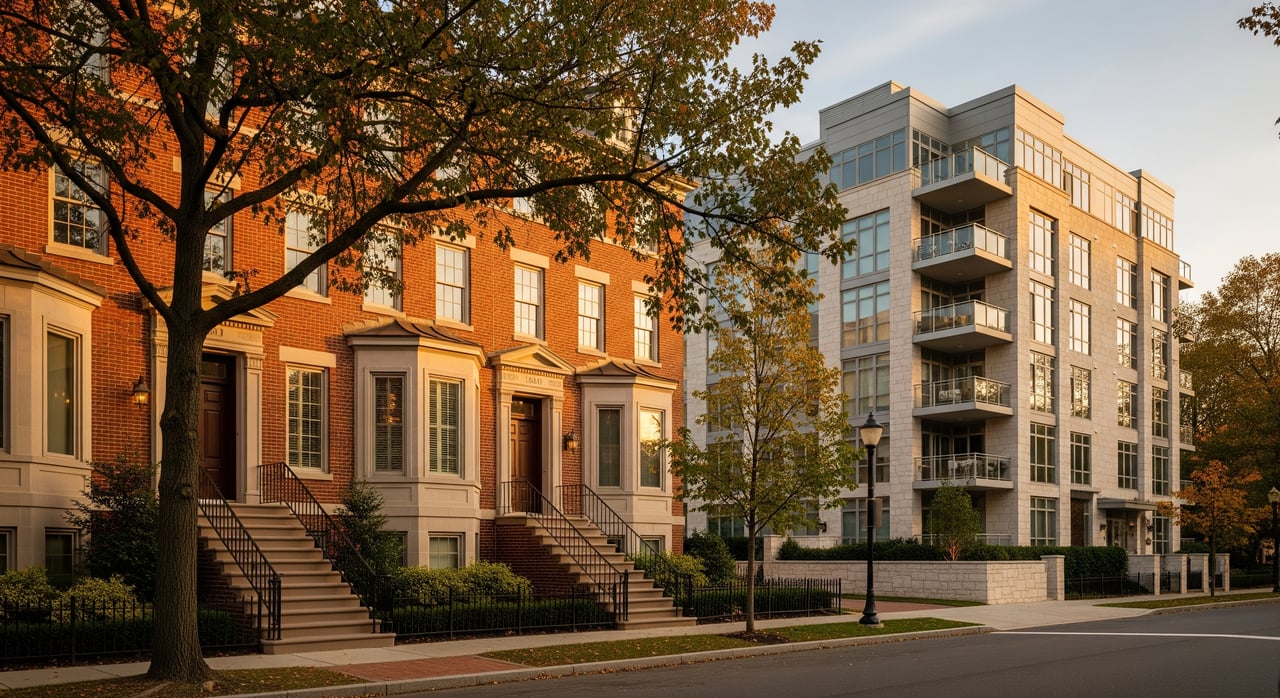
Trying to decide between a condo and a townhouse in Cedar Grove? You are not alone. Both options offer low-maintenance living, but the costs, responsibilities, and lifestyle feel different here in Essex County. In this guide, you will learn how ownership works in New Jersey, what monthly costs to expect, and how commuting, parking, and resale potential line up with your goals. Let’s dive in.
Quick definitions that matter
What is a condo
A condominium is a legal form of ownership where you own the interior of your unit and share the land and common areas through an association. The association is typically responsible for building exteriors, roofs, and amenities. In New Jersey, condo associations follow state rules for disclosures and governance.
What is a townhouse
A townhouse is a building style with multi-level, attached homes and separate entrances. The legal form varies. Some townhouses are fee-simple, where you own the home and the land under it. Others are townhouse condominiums, where the association owns common elements and may maintain the exterior.
Why this matters in New Jersey
In Cedar Grove and nearby towns, the term “townhouse” in a listing does not guarantee fee-simple ownership. It can still be a condominium legally. Always confirm the exact ownership structure and the association documents before you write an offer.
Monthly costs you will budget
HOA dues and what they cover
Association fees typically fund exterior maintenance, roofs, landscaping, snow removal, trash, common-area utilities, master insurance, reserves, and shared amenities. Owners usually still pay interior insurance, electricity, and internet. In townhouse communities, fees can be lower if owners handle their own exteriors, but in townhouse condominiums, dues can look similar to condo complexes. The number itself varies by age of the property, amenities, and services, so focus on what is covered and the quality of upkeep.
Property taxes in Essex County
New Jersey has one of the highest property tax burdens in the country, and Essex County follows that pattern. Whether you buy a condo or a townhouse, you will have an individual tax bill. Review the most recent tax bill for the specific unit and factor it into your monthly payment alongside HOA dues.
Insurance differences
Condo owners typically carry an HO-6 policy for interiors, personal property, and any gaps not covered by the master policy. Fee-simple townhouse owners usually carry a standard HO-3 homeowner’s policy that covers the structure and land. Confirm whether the association’s master policy is “bare walls-in” or “all-in,” and check deductibles so you know what you would pay in a claim.
Utilities and other fees
Most owners pay electric and internet directly. Heat, water, and gas can be either unit-metered or included in dues depending on the building. Ask for a 12-month utility history if available, and note any move-in or elevator fees if you are considering a multi-story condo building.
Maintenance and governance
Who handles what
- Condos: Associations typically maintain exteriors, roofs, and common areas. You handle interior repairs and finishes.
- Fee-simple townhouses: You are usually responsible for exterior maintenance, roofs, and yards, unless the HOA documents say otherwise.
- Townhouse condominiums: Responsibilities mirror condos and follow the governing documents.
HOA health and due diligence
Before you waive contingencies, request and review:
- Declaration or Master Deed and Bylaws
- Current operating budget and year-to-date financials
- Latest reserve study and planned capital projects
- Meeting minutes from the last 6 to 12 months
- Master insurance certificate and deductibles
- Any pending special assessments or litigation
- Occupancy and leasing rules that may affect financing or resale
In Essex County’s older suburbs, pay close attention to roofs, drainage, masonry, and parking-lot conditions. Freeze-thaw cycles and road salt can drive concrete and exterior work needs. Consider inspectors familiar with multi-unit buildings and common-area systems.
Parking and lifestyle trade-offs
Parking and access
Condo parking can be assigned garage spaces, assigned surface spots, or unassigned visitor parking. Some older complexes have limited guest parking. Townhouses more often include a private driveway and attached garage, which is helpful for multi-vehicle households, storage, and winter weather. Townhouse condominiums may still use assigned parking layouts, so verify the plan.
Privacy, noise, and layout
Condos are often stacked units with shared walls and ceilings, which may affect noise transfer depending on construction. Townhouses usually have fewer shared walls and private entrances, which can feel more like single-family living. For outdoor space, townhouses are more likely to offer a small yard or patio, while condos often provide balconies with lighter upkeep.
Commute and Cedar Grove access
The local commute reality
Cedar Grove is a residential suburb within commuting distance of Newark and New York City. There is no NJ Transit rail station within the borough, so many residents drive to nearby stations in neighboring towns or use bus routes. Travel times vary by time of day and route, so test your commute from a specific address before you commit.
Transit trade-offs to weigh
If you rely on rail or bus, evaluate walking distance to bus stops, the drive time and parking situation at park-and-ride lots, and any building shuttle options. A condo closer to bus corridors may beat a larger townhouse if it reduces your daily travel friction. If you primarily drive, a townhouse with a private garage and driveway simplifies winter parking and snow removal.
Resale outlook in Essex County
Who typically buys what
Condos often attract first-time buyers, young professionals, and downsizers who prefer low maintenance and amenities. Townhouses appeal to buyers who want more space, private entries, and garages with a single-family feel but without full yard work.
What supports resale locally
Resale performance depends on location, condition, pricing versus single-family alternatives, and association strength. Healthy reserves, clear budgets, and recent capital improvements support value. Proximity to employment centers and reliable commuting options also matters. Neutral factors like district performance data can influence buyer demand; review them objectively as part of your market research.
Risks to watch
High HOA dues without strong services or reserves can pressure pricing. Heavy rental concentrations or active litigation can limit financing and slow sales. For older communities, deferred exterior work or roof projects can lead to special assessments. Ask pointed questions early and confirm with documents.
Decision checklist for Cedar Grove buyers
Use this framework before you write an offer:
- Lifestyle and priorities
- How important are a private garage and outdoor space?
- How much time do you want to spend on exterior upkeep?
- Do amenities like a pool or gym matter to you?
- Budget and monthly costs
- Compare purchase prices for similar condos and townhouses.
- Add monthly HOA dues, property taxes, insurance, and utilities.
- Review the HOA budget, reserves, and any pending assessments.
- Commute and access
- Map commute times from the specific property to work.
- Identify nearest transit options and parking availability.
- Ownership and rules
- Confirm fee-simple vs condominium ownership in writing.
- Review bylaws, rental caps, pet rules, and planned capital projects.
- Resale considerations
- Study recent sales of comparable units in Cedar Grove and nearby towns.
- Consider the likely buyer pool for your unit type.
- Inspection and contingencies
- Add HOA document review to your contract timeline.
- For multi-unit buildings, consider extra checks on roofs and common areas.
How we can help
You should not have to guess your way through ownership structures, HOA budgets, and commute trade-offs. Our team pairs local market knowledge with a data-first approach so you can align lifestyle, costs, and resale outlook with confidence. If you want a clear side-by-side on a specific community, we will gather the governing documents, budget, reserves, and recent sales, then walk you through the implications before you bid.
Ready to compare real options in Cedar Grove with a clear plan? Connect with The Parlay Group to get a tailored side-by-side and a strategy that fits your goals.
FAQs
What is the main difference between a condo and a townhouse in Cedar Grove
- A condo is a legal form where you own the interior and share common areas, while a townhouse is a building style that can be fee-simple or a condominium; always verify the legal form.
How do HOA fees typically differ between condos and townhouses in Essex County
- Condo dues often cover exteriors, roofs, and amenities, while fee-simple townhouses may have lower dues if owners handle exteriors; townhouse condominiums can have condo-like dues.
What insurance do I need for a Cedar Grove condo vs a townhouse
- Condos usually need an HO-6 policy for interiors and personal property, while fee-simple townhouses typically require an HO-3 policy that covers the structure and land.
How do commuting options affect condo vs townhouse decisions in Cedar Grove
- Without an in-borough rail station, proximity to bus routes or nearby rail parking can favor certain condos; drivers often prefer townhouses with private garages and driveways.
What HOA documents should I review before buying in Cedar Grove
- Request the Master Deed, bylaws, current budget, reserve study, meeting minutes, insurance certificate, and disclosures on assessments, rental rules, and litigation.
Are property taxes different for condos and townhouses in Essex County
- Both have individual tax bills; the difference comes from each property’s assessed value rather than the home type, so review the latest bill for the specific unit.